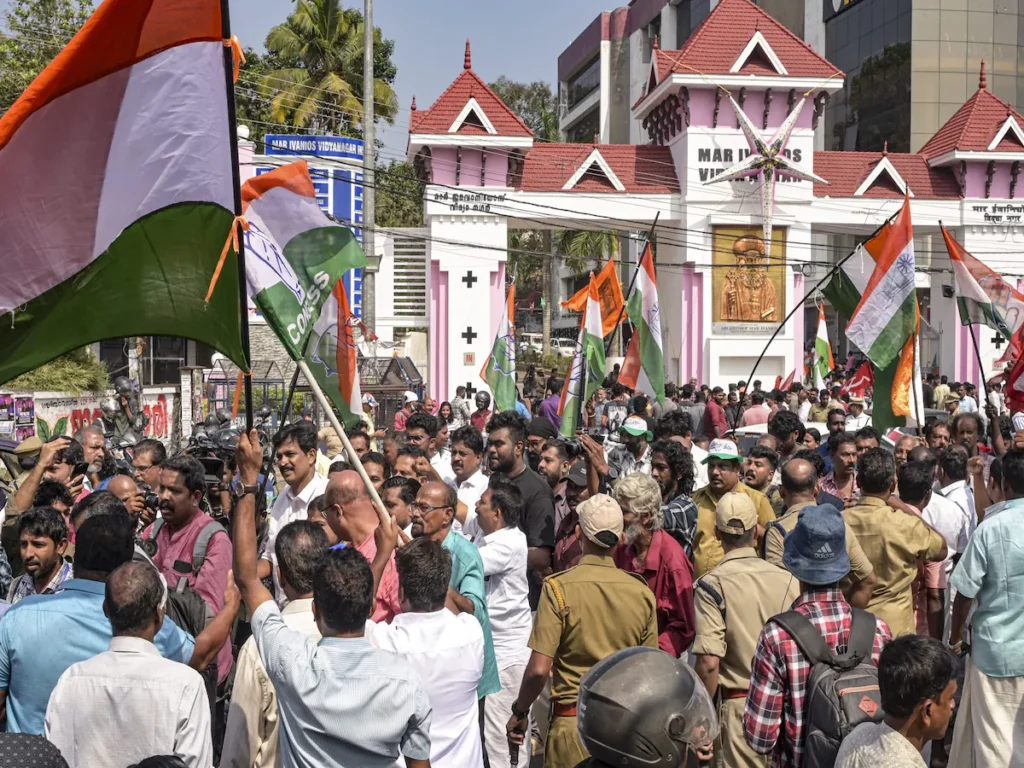

Local body polls show coastal issues shaping votes for parties like UDF and LDF around Kochi coastal panchayats.
Local body election results in Kerala have revealed that coastal issues played a decisive role in shaping voting patterns in and around Kochi, particularly across coastal panchayats in Ernakulam district. Rather than voting strictly along party loyalties, residents of these regions appeared to base their choices on immediate environmental, livelihood, and infrastructure-related concerns that directly impact their daily lives. In coastal panchayats such as Chellanam, Elamkunnapuzha, Kadamakkudy, and surrounding areas, long-standing problems like severe sea erosion, repeated seawater intrusion into homes, damage to fishing infrastructure, and inadequate maintenance of sea walls dominated public discourse during the election period. Many residents expressed frustration over delayed or insufficient protective measures, which they felt threatened both their safety and livelihoods. This dissatisfaction translated into strong electoral support for the United Democratic Front (UDF), which emerged victorious in several of these regions by campaigning heavily on promises of practical solutions and better local governance. The election outcomes also highlighted how performance at the local leadership level can significantly influence voter behavior. In contrast to other coastal panchayats, areas such as Vypeen witnessed continued support for the Left Democratic Front (LDF), largely due to visible development initiatives and infrastructure improvements credited to the local MLA and governing bodies. This demonstrated that voters were willing to reward parties that delivered tangible results, even if broader dissatisfaction existed elsewhere. Beyond Kochi, similar patterns were observed across Kerala’s coastline, reinforcing the importance of grassroots issues in local elections. Concerns over fishermen’s welfare, environmental sustainability, climate resilience, and development planning emerged as key factors influencing electoral decisions. In many regions, traditional political narratives were overshadowed by demands for accountability, faster implementation of projects, and long-term solutions to recurring coastal problems. Political analysts note that these results signal a shift toward issue-based voting in Kerala’s coastal belts. The elections underscored that voters are increasingly evaluating parties based on their ability to respond to local challenges rather than relying solely on ideological alignment. For Kochi and its neighboring coastal panchayats, the verdict serves as a clear message to political parties that addressing environmental vulnerabilities and strengthening local governance will be crucial in maintaining public trust. Overall, the local body polls have reinforced the growing importance of coastal issues in Kerala’s political landscape. As climate-related challenges intensify and coastal communities face mounting pressures, the expectations placed on local governments are likely to increase, making effective governance and timely intervention key determinants in future electoral outcomes.