

Crimes Against Women on the Rise in Kochi: NCRB Data Raises Serious Concerns
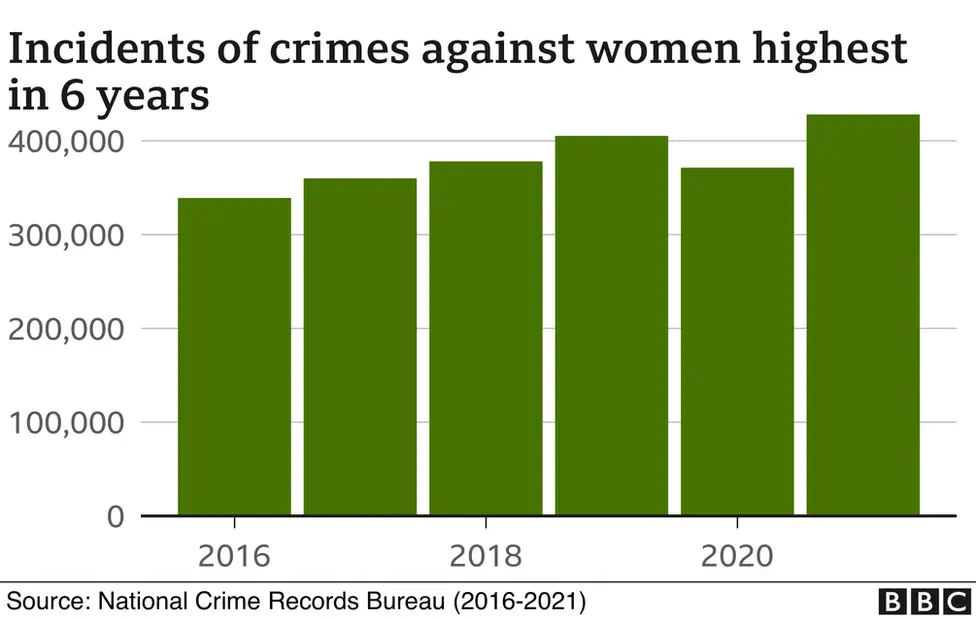
Recent data released by the National Crime Records Bureau (NCRB) has highlighted a troubling rise in crimes against women in Kochi, bringing renewed attention to issues of safety, justice, and social accountability in the city. While Kochi is often viewed as one of Kerala’s most progressive and urban centers, the figures reveal that women continue to face significant risks both within private spaces and in public life.
According to the NCRB’s latest “Crime in India” report, Kochi recorded a notable increase in registered cases involving offences such as cruelty by husbands or relatives, assault with intent to outrage modesty, and other forms of gender-based violence. Among these, domestic cruelty remains one of the most frequently reported crimes, underscoring the persistent problem of abuse within households. Experts note that domestic violence often remains hidden for long periods, with many women seeking legal help only after prolonged suffering.
The data also indicates a rise in cases related to harassment and physical assault, suggesting that women continue to face threats to personal safety in everyday settings. Legal experts and women’s rights activists caution that while higher numbers may partially reflect improved reporting and awareness, they also point to deeper social and cultural issues that cannot be ignored. Many survivors still face pressure from families or communities to remain silent, and stigma continues to discourage timely reporting in several cases.
Former members of the Kerala Women’s Commission and social workers have emphasized that economic dependency, fear of social backlash, and lack of immediate support often prevent women from approaching authorities. Even in urban areas like Kochi, where access to police stations and legal aid is relatively better, survivors may struggle with lengthy legal procedures and emotional stress, making justice feel distant and exhausting.
Law enforcement officials have acknowledged the seriousness of the trend and stressed the need for stronger preventive measures. Police initiatives such as women-friendly help desks, increased patrolling, and awareness campaigns are in place, but experts argue that enforcement alone is not enough. Long-term solutions require education, community engagement, and changes in societal attitudes toward gender equality and respect.
The rise in reported crimes has also intensified public debate on the effectiveness of existing laws and support systems. Advocates are calling for faster trials, survivor-centric legal processes, better counselling services, and safe spaces where women can seek help without fear. There is also growing emphasis on addressing newer forms of abuse, including cyber harassment and online intimidation, which often go underreported.
Overall, the NCRB data serves as a stark reminder that progress in infrastructure and development must be matched by progress in social safety and justice. For Kochi, the challenge lies not only in responding to crimes after they occur but in creating an environment where women feel safe, supported, and empowered to live without fear. The conversation sparked by these figures is an important step, but sustained action from authorities, communities, and institutions will be crucial in turning concern into meaningful change.